

A project with a proven track record of reducing harm caused by the most high-risk and persistent perpetrators of domestic abuse has launched in Cleveland.
The Drive Project is a multi-agency approach to disrupt, challenge and change the behaviour of domestic abuse perpetrators. At the same time, it provides support and improves safety for victim-survivors.
It’s a partnership between the Drive Partnership, the Office of the Police and Crime Commissioner (OPCC), Cleveland Police, Cranstoun, Harbour and My Sister’s Place.
Perpetrators will be considered for the scheme by a multi-agency panel of experts. Suitable candidates will be referred for intensive, one-to-one interventions to address their harmful behaviour.
Challenging harmful behaviours
Commissioned by the OPCC and delivered locally by Cranstoun, this service will see case managers working with perpetrators for up to 12 months. They will challenge the harmful beliefs and behaviours, which underpin domestic abuse.
Victim-survivor safety remains at the heart of the project, with an additional investment in the provision of Independent Domestic Violence Advisors (IDVAs) by local charities Harbour and My Sister’s Place.
IDVAs will support both adult and child victim-survivors to immediately improve their short-term safety. They will also help them to recover from the harm they have suffered.
The project aims to lower the risk of harm to victim-survivors, decrease the number of repeat and serial cases, and reduce the need for police intervention.
Home Office funding
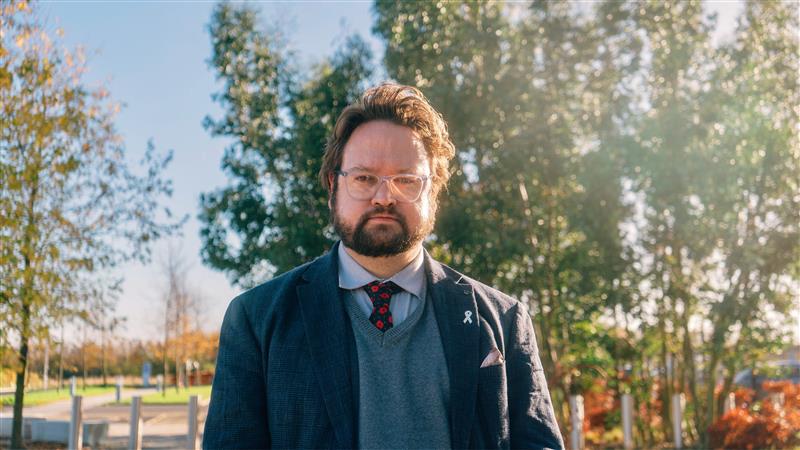
Police and Crime Commissioner (PCC) Matt Storey was granted £435,991 by the Home Office to fund the project to March 2027.
He said: “Sadly, the Cleveland area has some of the highest levels of domestic abuse in the country, with many victims and survivors experiencing repeated harm from serial perpetrators.
“I welcome news that we have been selected to roll-out the Drive Project, which is proven to improve the safety of victims and survivors by calling on perpetrators to recognise and change their behaviours.
“This approach, alongside an increased investment in support for victim-survivors, presents a real opportunity to break cycles of behaviour and maker long-term changes to improve the safety of people at risk.”
Protecting the vulnerable
Detective Superintendent Chris Motson, from Cleveland Police’s Protecting Vulnerable People Team, said: “Our priority is to continue to do all we can to protect victims and survivors of domestic abuse and this is another example of us doing that and putting vulnerable people at the heart of everything we do.
“The Drive Project aims to bring many benefits to victims and survivors of domestic abuse. It does this through an innovative and proactive approach, that addresses the root cause of the perpetrator’s behaviour and identifies their underlining issues.
“By working collaboratively with numerous partners, we can focus on the serial high risk and harm perpetrators. This is through intensive monitoring, disruption and interventions that will better safeguard and protect victims’ long term, stop the offending and the cycle as well as reducing the harm caused.”
Changing behaviour
Elaine Potts, Service Manager for Cranstoun said: “This service will allow us to ensure the safety of more victim-survivors and their families across Cleveland. Our work locally to change the behaviour of those causing harm and hold them accountable is essential to tackle and prevent domestic abuse.
“We work with thousands of people each year across the country to change their behaviour, and we’re proud to now be delivering the Drive Project across Cleveland.
“By delivering this work, and targeting those who are the highest risk, we can make a real difference to prevent further abuse and keep victim-survivors safe.”
Rachel Ozanne, Deputy Director, The Drive Partnership said: “Following a decade of the Drive Project working across areas to reduce risk and increase the safety of victim-survivors, we’re delighted to see it now launched in Cleveland to complement the vital work already being done to tackle domestic abuse in the area.
“Victim-survivors tell us that, alongside more support for themselves, they want and need better responses to the people causing harm in their lives. By working together, we can better meet these vital needs, challenge and change harmful behaviour, and turn the tide on domestic abuse for good.”
10 year plan
The project is part of the government’s efforts to halve violence against women and girls in the next 10 years.
The project was first introduced nationally in 2016. When evaluated by the University of Bristol, researchers found that physical abuse reduced by 82%. Harassment and stalking behaviours reduced by 75% and jealous and controlling behaviours reduced by 73%.